Start with the fish and the water in front of you. A small lively bait, an exposed hook point and just enough weight usually beat a crowded tackle bag.
Hook sizes, rigs and seasonal advice below are practical guidance. Match tackle to the fish, current and posted site rules.
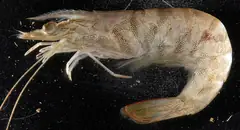
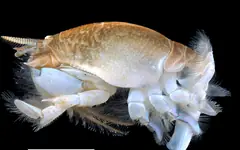
Use a #1–2/0 inline circle hook. Pass it sideways under the horn, clear of the dark organs; for a firmer cast, hook through the tail tip. Free-line beside pilings, fish under a popping cork above grass, or use a light knocker rig near bottom.
Catch or buy
Buy live shrimp at local bait shops; a dip net can collect shrimp where access and current rules allow. Keep them in cool, aerated water and remove dead shrimp.
Tampa Bay seasons
A dependable year-round choice. In winter, slow the drift and try deeper edges after cold fronts.
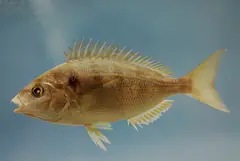
Use a 2/0–5/0 inline circle. Hook through the nostrils for a current-facing drift, or lightly through the back ahead of the dorsal fin for a still-water presentation, clear of the spine. Free-line or use a Carolina/knocker rig at structure.
Catch or buy
Ask a bait shop for small lively pinfish. Where lawful, cast-net over sand beside grass or use a small sabiki with tiny shrimp pieces; check collection and site rules first.
Tampa Bay seasons
Most useful in warm water from spring through fall. Small pinfish are easier for inshore fish to swallow; match hook size to bait.
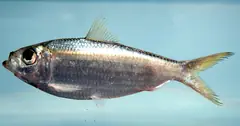
Put a 1/0–3/0 inline circle through the nostrils without closing the mouth. Free-line on a 20–40 lb leader, adding a small split shot only when needed. For toothy mackerel, use a short bite leader and keep the single hook clear.
Catch or buy
Buy from a live-bait shop when stocked, or cast-net a reachable school where allowed. Do not throw into swimmers or boat traffic. Transfer gently into a rounded, aerated baitwell.
Tampa Bay seasons
Often easiest to find in the warmer months. Cold fronts can push schools away from shallow shorelines; call the shop before relying on a supply.
Hook through the nostrils with a 3/0–5/0 single live-bait hook; use an inline circle for natural-bait catch-and-release fishing. Free-line with room to drift; add a short wire bite trace for kings. Handle as little as possible.
Catch or buy
Ask a live-bait shop about availability, or use a cast net or small sabiki around bait schools where lawful. Threadfins are delicate: give them strong aeration without overcrowding.
Tampa Bay seasons
Watch lower-bay bait schools in spring and fall. Wind and water temperature make shore availability variable.
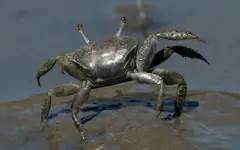
Use a #1–1/0 short-shank single hook or small inline circle. Enter at a rear leg socket and bring the point through a shell edge, leaving the point exposed. A short dropper rig or light knocker rig keeps the crab tight to pilings.
Catch or buy
Buy from a bait shop or hand/dip-net a few on accessible exposed sand or mud where collection is permitted. Keep cool and damp with air space; do not drown them in a sealed bucket.
Tampa Bay seasons
Especially useful for cool-season sheepshead around bay structure. Collecting is easiest when falling water exposes the bank.
Use a #1–1/0 single hook. Pass it gently up through the underside and out the shell, leaving the point clear. Fish a one- or two-dropper surf rig with a sinker that holds the trough; a light Carolina rig also works.
Catch or buy
Buy live or frozen from coastal bait shops, or use a sand-flea rake in the retreating swash where collection is allowed. Keep live fleas cool in damp sand with drainage.
Tampa Bay seasons
Look along Gulf beaches as the wash recedes. Particularly handy for pompano during cooler-month beach runs; supply varies by beach and surf.
For ordinary inshore fish, use a 2/0–5/0 inline circle through tough skin once, leaving the point and gap exposed. Fish a Carolina or knocker rig with a fresh chunk. Shark targeting requires non-offset, non-stainless circles, suitable heavy tackle, cutting tools, the course and permit; read the shark page first.
Catch or buy
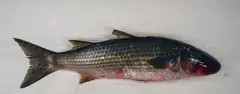
Buy fresh or frozen mullet at a bait shop, or retain only lawfully caught, identified fish within current limits. Cut narrow strips for smaller fish and keep pieces on ice out of meltwater.
Tampa Bay seasons
Useful year-round when live bait is scarce. Fall mullet activity can make fresh chunks especially productive along channel edges.
Use a #4–1/0 single hook for small bottom fish. Pass the hook through the tough end of a narrow strip twice and expose the point. A short dropper rig keeps it just above the sinker; use an inline circle appropriate to bait size for reef fish.
Catch or buy
Buy frozen squid from a bait shop. Thaw only what you need, cut strips that will not fold over the hook point, and keep the rest chilled.
Tampa Bay seasons
A reliable backup any month. Small strips work better than a whole squid for pier pickers; warm summer water softens thawed bait quickly.
For drum, use a 3/0–5/0 inline circle through a leg socket in a quarter or half crab with the point exposed, on a Carolina rig. For permit, lightly hook a small whole crab through a shell corner on a 1/0–3/0 inline circle and free-line. Bonnetheads require the shark circle-hook, course and permit rules.
Catch or buy
Buy bait-grade crabs from a shop. A dip net can collect a visible crab only where access and current collection rules permit; check crab rules before collecting. Keep live crabs shaded, cool and ventilated.
Tampa Bay seasons
Warm-season flats and pass fishing are good times to try crab. Cool-season black drum may also take pieces in deeper bay channels.
Tie a 1/8–1/2 oz bucktail, banana or pompano jig directly to a leader with a small loop knot. Typical single-hook sizes run #1–3/0 depending on target. Keep the hook uncovered; hop along clean sand or swim over grass with brief pauses.
Catch or buy
Buy finished jigs at a local tackle shop. Carry several weights and match the smallest one that reaches the fish without dragging constantly.
Tampa Bay seasons
Useful all year. Hop a small jig through beach troughs in cooler months; swim it faster when warm-water predators chase bait.
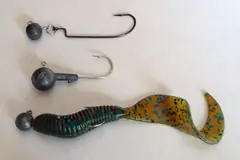
Thread a 3–4 inch paddletail straight onto a 1/8–3/8 oz jighead, usually 1/0–3/0. Enter at the nose and exit along the back so the lure stays straight. In grass, use a 3/0–5/0 weighted weedless hook with the point lightly skin-hooked.
Catch or buy
Buy paddletails, shrimp imitations and spare jigheads at tackle shops. Keep different plastic materials separate so they do not melt together.
Tampa Bay seasons
Work slowly near bottom after winter fronts. In warm months, swim above grass at dawn and increase speed when fish chase bait.
Tie a 1/4–1 oz spoon to a leader; a small swivel ahead of the leader can reduce twist. A single replacement hook around #1–3/0 must suit the spoon size. Use a weedless gold spoon over grass or a silver casting spoon through open-water bait schools; keep it moving.
Catch or buy
Buy from a local tackle shop. Check the split ring and hook for corrosion and carry a lighter spoon for shallow flats and a heavier one for pass current.
Tampa Bay seasons
Spring and fall bait runs favor silver spoons near passes. Gold weedless spoons are handy over warm-season grass flats.
Tie a floating walking plug or popper to a 20–40 lb leader with a loop knot. Factory hook sizes commonly run #4–1/0; if replacing trebles with inline singles, match hook weight and clear the body so the lure still floats correctly. Twitch with slack to walk it, then pause.
Catch or buy
Buy at local tackle shops; ask for a floating plug suited to shallow bay flats. Carry long pliers and consider single hooks for easier releases.
Tampa Bay seasons
Best in low light over spring-through-fall flats or calm beach edges. Let a fish pull the line tight before lifting the rod; pause longer in cooler water.
Bait shops & rules
Call a local bait shop before leaving to ask about live stock and opening hours. Pier bait concessions can be handy, but check each spot's access page first.
Cast nets, sabikis, dip nets and rakes above describe collection methods, not permission to collect at a particular site. Net dimensions, bait collection limits and crab collection rules: Not listed on FWC page — check myfwc.com. The supplied gear page covers reef-fish gear; it does not establish general bait-net rules. Check current FWC rules and posted local restrictions before collecting, and never damage seagrass.
For reef fish aboard a vessel in Gulf state waters, the supplied FWC reef-fish gear page requires non-stainless steel, non-offset circle hooks with natural bait, a dehooker, and a descending device or venting tool rigged and ready. Checked 2026-10-26.
Before targeting sharks from shore, read the permit, Shark-Smart course, gear and release requirements. Beach chumming is prohibited when fishing for any species. Read each species' regulations before keeping fish, including fish intended for bait.